- Cookies that enable provisioning of services you require.
- Cookies that inform NIC.LV about your visit on the website www.nic.lv - your consent is necessary for use of these cookies.


From 8–11 June 2026, ICANN86 took place in Seville, bringing together Internet infrastructure experts, domain registry operators, and policymakers to discuss one of the most important issues in the digital landscape: how to maintain the security and resilience of the Internet in an era of increasing cyber threats and growing regulatory requirements.
One of the central topics of discussion was DNS abuse.
A clear trend across the industry is the growing adoption of a data-driven approach, where decisions to restrict domain names are based on verifiable evidence rather than automated blocklists. This approach helps reduce the risk of erroneous decisions while enabling more effective mitigation of criminal activities.
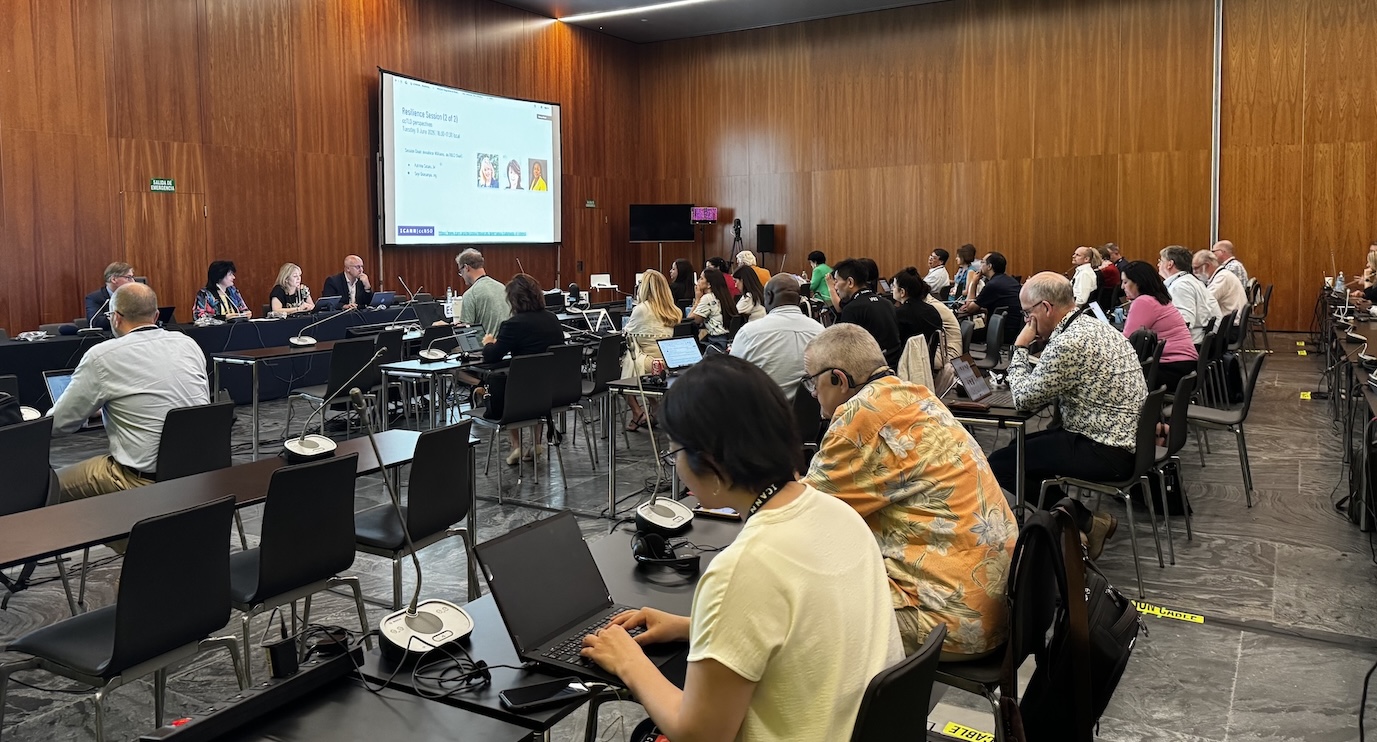
The conference also placed significant emphasis on DNS resilience. Experts from the Internet Society presented new research on how to objectively assess the ability of the Domain Name System to withstand technical disruptions, cyberattacks, and infrastructure failures. Among the key resilience indicators highlighted were the use of DNSSEC, geographically distributed servers, network diversity, and backup systems.
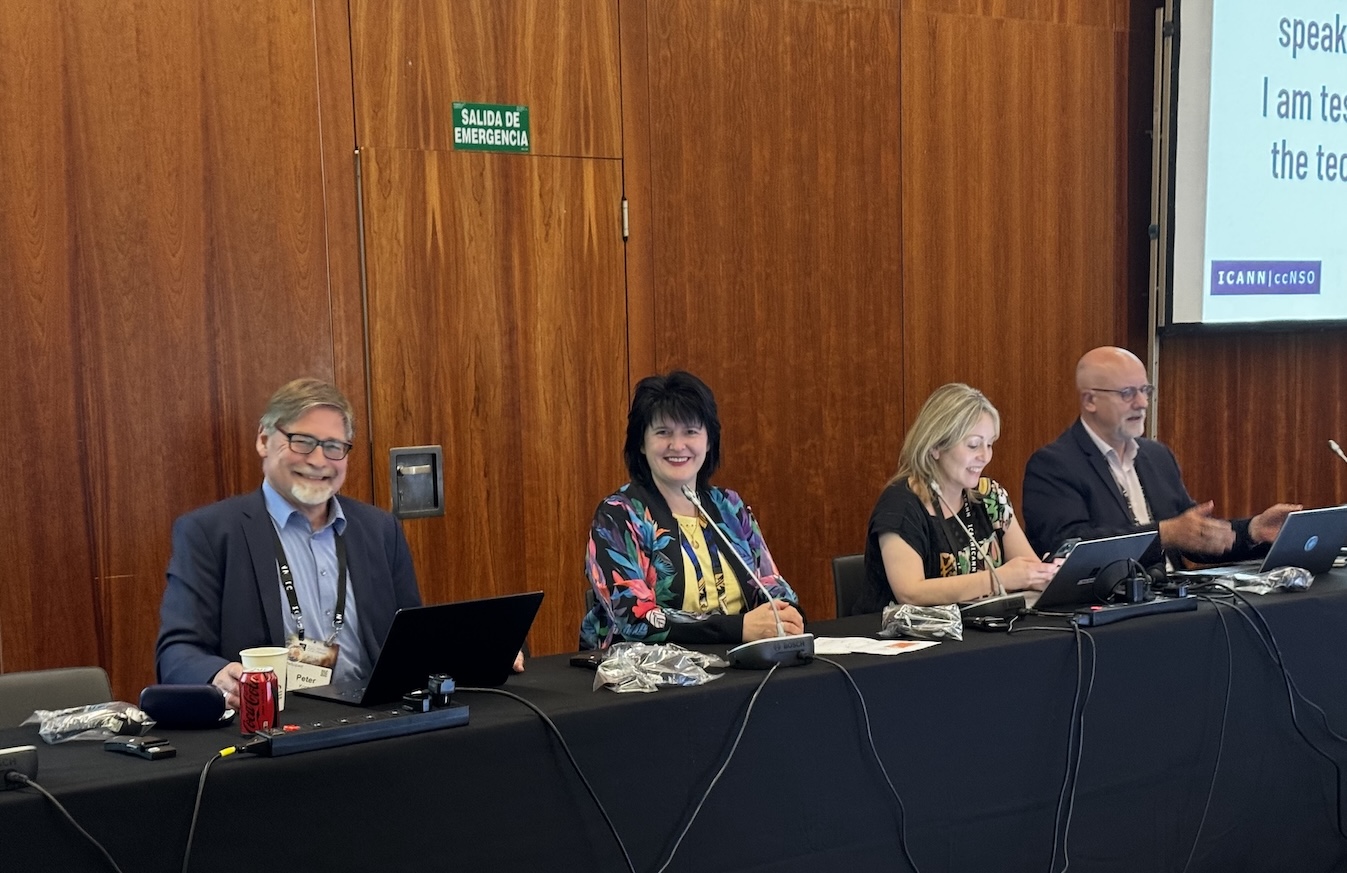
Speaking at the ccNSO session “ccTLD Perspectives on Resilience,” NIC.LV CEO Katrīna Sataki discussed the implementation of the NIS2 Directive and its impact on the operation of domain name registries.
“Domain registries have long placed particular emphasis on security and operational continuity. However, the new regulatory framework requires not only resilience, but also a systematic way to demonstrate and document this resilience”, K.Sataki.
Discussions also raised concerns about the growing regulatory burden. Many experts acknowledged that, in the long term, this could affect the multistakeholder model of Internet governance, which has so far been one of the cornerstones of Internet stability. It is therefore particularly important to maintain a balance between security requirements and Internet openness.
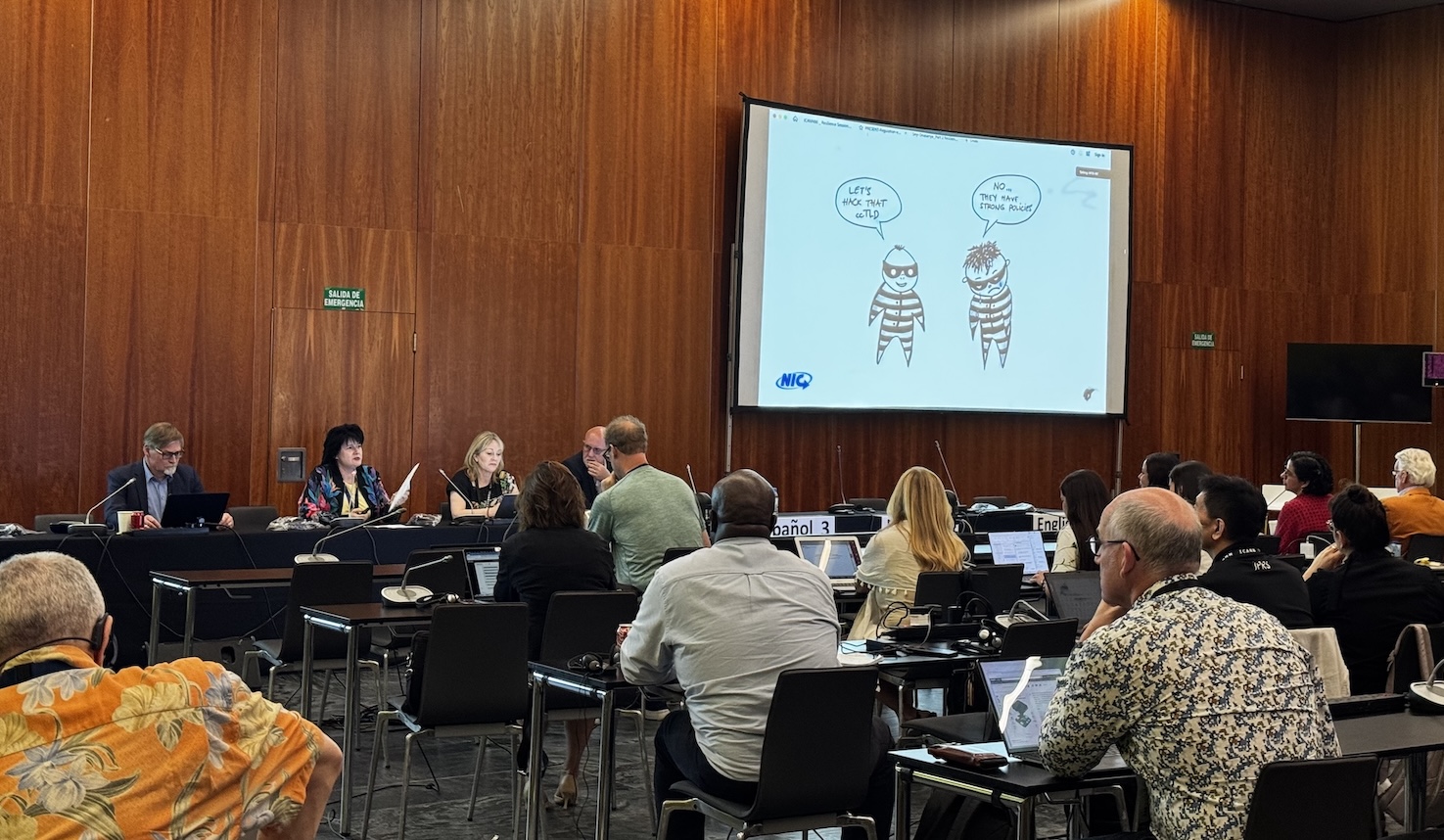
The topic of resilience was also addressed from a disaster management perspective. NIC.LV participates in a ccNSO working group on the role of the Internet Assigned Numbers Authority (IANA) in supporting the recovery of country-code top-level domain registries in emergency situations. During ICANN86, the working group presented six scenarios analyzing registries of different sizes, governance models, and levels of maturity, assessing risks and situations in which IANA involvement might be necessary to ensure registry operational continuity.
In addition to security topics, the meeting also discussed infrastructure modernization. Registries shared experiences on virtualization solutions, automated DNSSEC management, and ensuring data availability. Meanwhile, CENTR and several European registries presented work on standardizing Registry Lock services to strengthen the protection of critical domains.